By Justin Cummings, 2026 Jan Schori Spring Fellow, BCSE
In his first State of the Union address of his second term, President Donald Trump delivered a historic 107‑minute speech that devoted considerable attention to social issues, success at the Olympics, and tributes to veterans. Interwoven throughout these acknowledgments, the president highlighted his administration’s extensive commitment to expanding fossil fuel production, noting record levels of oil and natural gas output.
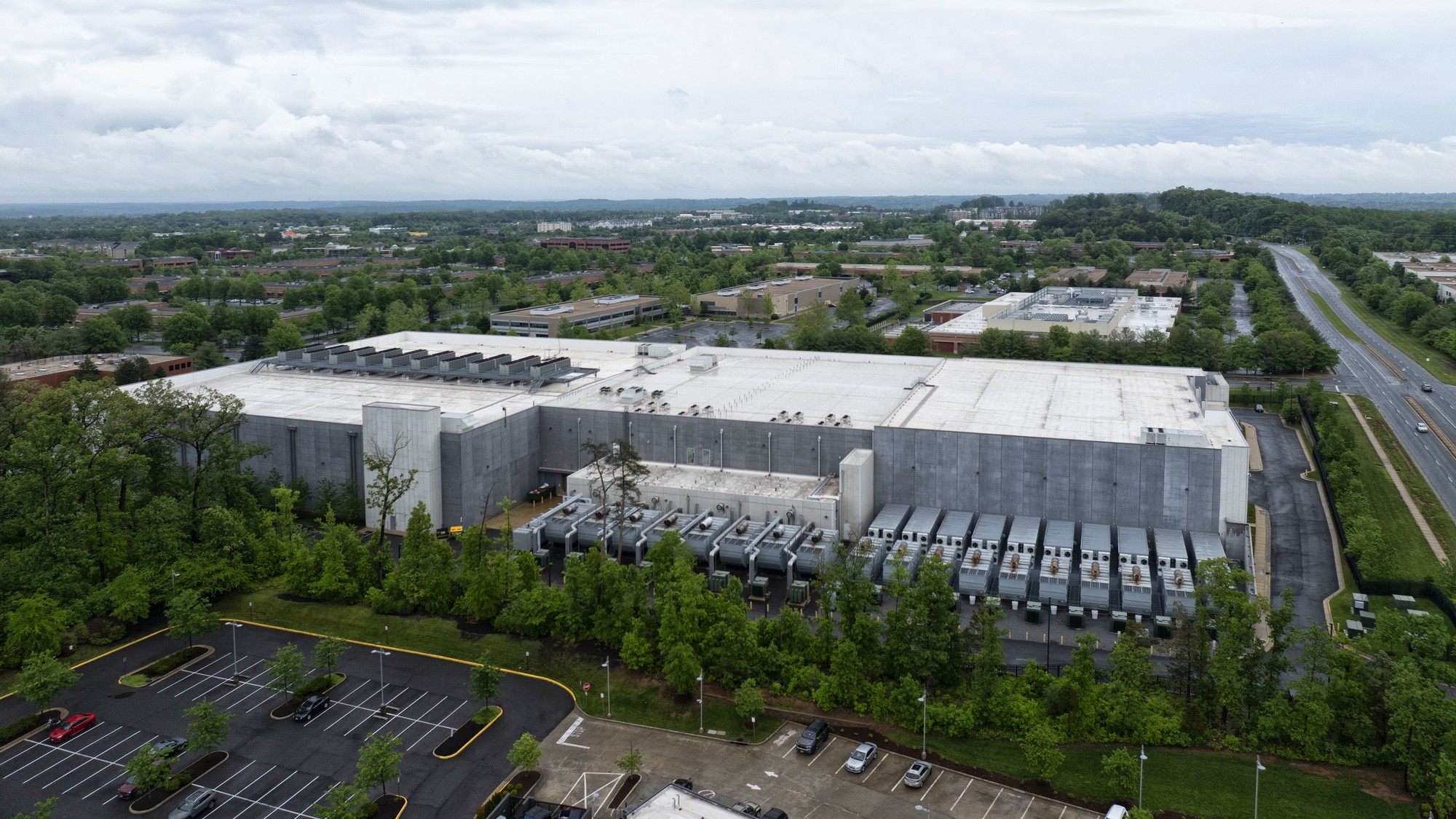
He also spoke about the growth of data centers across the country and announced a “ratepayer protection pledge.” The pledge comes amid growing nationwide concern over energy prices and increased energy demand.
What is the “ratepayer protection pledge” President Trump announced during the State of the Union?
Of particular importance to the energy and electricity sector was his announcement of a “ratepayer protection pledge.” This plan, announced with few policy specifics at the time, would direct tech companies to pay for their own power generation for new data centers.
This directive from the president is expected to be unraveled further on March 4, 2026, when representatives from Amazon, Google, Meta, Microsoft, xAI, Oracle, and OpenAI will convene at the White House to sign the pledge.
Why is a “ratepayer protection pledge” needed?
This meeting comes at a time when Americans are becoming overburdened with rising energy costs. According to the 2026 Sustainable Energy in America Factbook, retail power prices have increased 2.3% year-on-year with data center growth contributing to rising demand and impacts on the gird. The extent to which the president’s pledge will be adopted industry wide is unclear, but “bring your own generation” has been a focus of both companies and policymakers.
During a recent visit to the White House, governors from the PJM region expressed their concerns regarding the grid operator’s handling of rising electricity costs, an issue that Pennsylvania Governor Josh Shapiro has attributed to inadequate management of capacity auctions intended to accommodate data center demand. The meeting provided insight into the bipartisan alignment among the region’s governors and the administration’s strategy for tackling the burden of rising energy costs. The initiative discussed has the potential to introduce certainty to a sector that has long struggled with unknowns, even as the AI industry continues to demonstrate significant promise.
What other solutions are being explored at the federal level?
States are not alone in their fight to mitigate the rising costs stemming from data centers. In Congress, Senators Josh Hawley (R-MO) and Richard Blumenthal (D-CT) released the Guaranteeing Rate Insulation from Data Centers (GRID) Act, which would specifically mandate that new data centers connect to power sources that are not from the grid. It would also direct data centers currently plugged into the grid to shift elsewhere within 10 years.
Competing bills, such as Senator Tom Cotton’s (R-AR) Decentralized Access to Technology Alternatives (DATA) Act and Senator Chris Van Hollen’s (D-MD) Power for the People Act propose their own plans to combat rising costs associated with data centers and mandate that the operators seek their own power.
How much energy do data centers consume?
Data center growth is anticipated to consume anywhere from 9% to 17% of U.S. electricity by 2030, according to EPRI. Data center growth throughout the country has already increased to 41 GW, which is a 150% increase in the last five years, according to the 2026 Sustainable Energy in America Factbook.
However, uncertainty around supply chains and the missing power links could quell unprecedented growth from the AI boom. A recent report from Sightline Climate found that of the 110 data center projects that were announced to come online in 2025, 26% faced delays with another 10% pushing their operational dates further back. The report also expects that between 30% and 50% will be delayed due to construction and power connection strains.
The upcoming federal ratepayer protection pledge could signal a step toward ensuring that the United States continues to produce abundant, reliable, and sustainable energy that remains affordable for consumers.
About the author: Justin Cummings is BCSE’s 2026 Jan Schori Spring Fellow. He is a senior at the George Washington University studying Environmental Studies and Political Science.