By Stephanie Francoeur, Senior Vice President, Communications & External Affairs, Oceantic
After a turbulent year marked by policy uncertainty and legal headwinds, the U.S. offshore wind industry is proving something important in 2026: even under scrutiny, it continues to deliver. New power is reaching the grid, construction milestones are being met, and operational data is reinforcing offshore wind’s role as a reliable, domestic energy resource that supports affordability, jobs, and energy security.
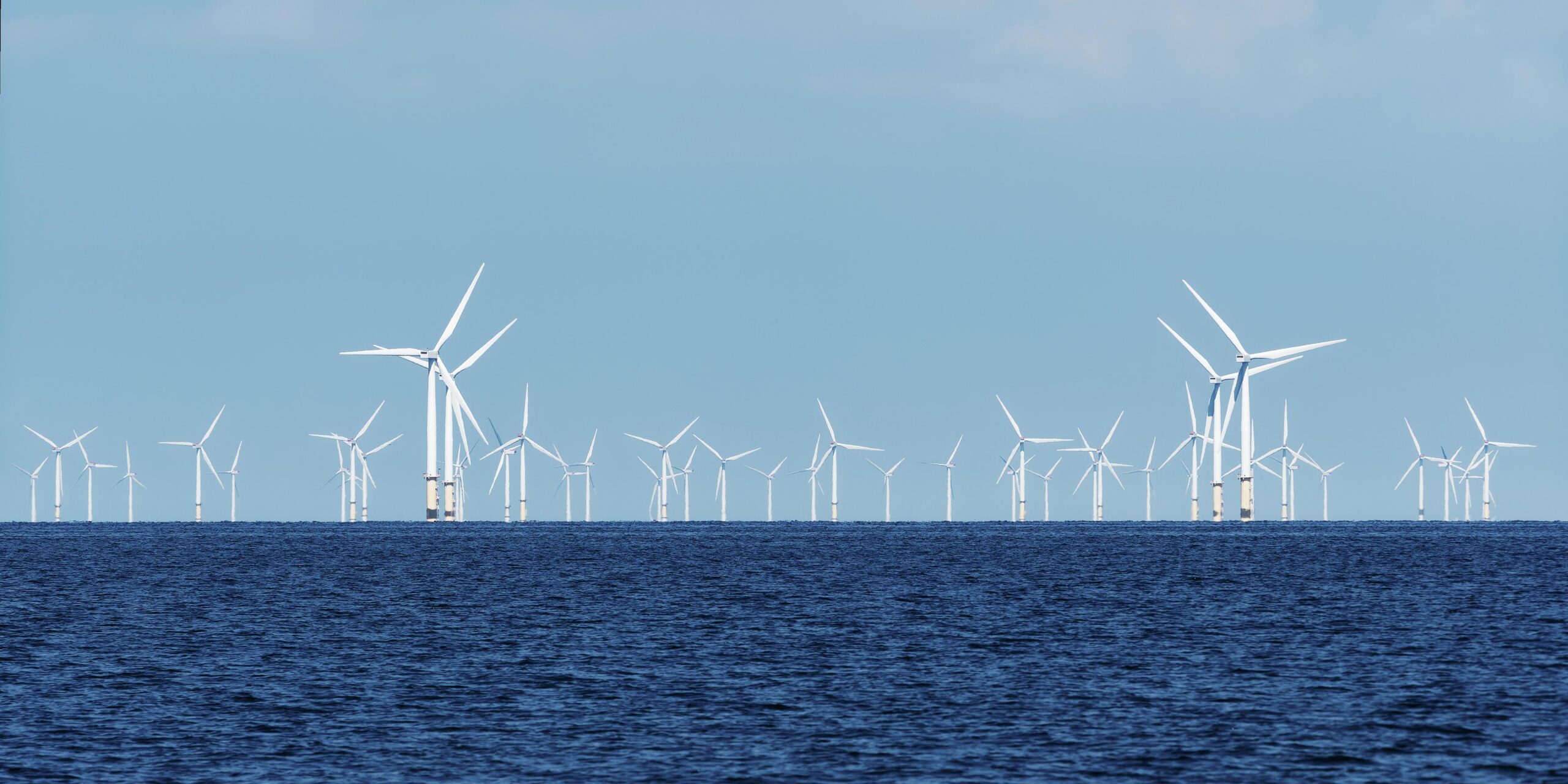
Recent milestones underscore this progress. Coastal Virginia Offshore Wind (CVOW) and Revolution Wind have both reached first power, adding new, utility‑scale generation to regions facing rising demand and constrained alternatives. Vineyard Wind 1, meanwhile, has completed offshore construction, becoming the largest U.S. offshore wind project to reach that stage. These achievements matter not just symbolically, but practically: they translate into electrons on the grid at moments when reliability and price stability are under strain.
The latest findings from the 2026 Sustainable Energy in America Factbook, developed by BloombergNEF in partnership with BCSE, help put this progress in context. U.S. electricity demand is climbing, driven by electrification, data centers, and industrial growth. At the same time, retirements of legacy generation are slowing, and new capacity additions are constrained by long lead times and equipment shortages. In that environment, offshore wind offers something increasingly rare: large‑scale, shovel‑ready power that can be deployed in coastal load centers where demand is concentrated.
Performance data from operating projects is beginning to validate offshore wind’s value proposition. During winter storms and cold snaps, offshore wind has delivered power with high capacity factors, helping stabilize wholesale prices. Long‑term, fixed‑price contracts associated with offshore wind projects further insulate ratepayers from volatility tied to global fuel markets, reinforcing energy affordability at a time when consumers are feeling the pressure.
The economic benefits are equally tangible. Offshore wind has already driven $25 billion dollars in private investment across the U.S. supply chain, supporting shipbuilding, port revitalization, steel manufacturing, and union labor across 40 states. Thousands of American workers are currently employed building, installing, and operating these projects, while the broader pipeline represents a durable industrial opportunity aligned with national priorities around domestic manufacturing and energy independence.
None of this is to downplay the challenges the industry faced last year. Federal actions, permitting delays, and policy shifts created real costs for developers, suppliers, and communities. But the sector continues to build, litigating where necessary, and delivering real‑world performance. Fundamentals tell a story distinct from the headlines; offshore wind’s long‑term trajectory is shaped less by short‑term disruption than by underlying system needs. Reliability, affordability, and a secure domestic energy supply are driving energy conversations, and offshore wind stands ready to accept that call.
As the Factbook makes clear, the U.S. energy system is evolving rapidly. Meeting future demand will require a diverse portfolio of resources, deployed at scale, and on realistic timelines. Offshore wind is no longer a future option – it is an operating asset, delivering benefits today. The recent milestones in Virginia, New England, and beyond show that even in a challenging year, progress continues. The task now is to ensure policy and market frameworks keep pace with what the industry is already proving on the water.
About the author: Oceantic Network is a 501(c)3 educational nonprofit working collaboratively with its member network to advance the offshore renewable energy market and build a robust supply chain of local companies. For more than a decade, Oceantic has set the pace for an expanded view of what offshore renewable energy can deliver towards our nation’s energy mix.